One Person as a Whole Content Department: How I Work With HelloComp
Article content
Creative, filming, editing, upload and SEO in one person. What content production without handovers looks like, and when this model actually fits.
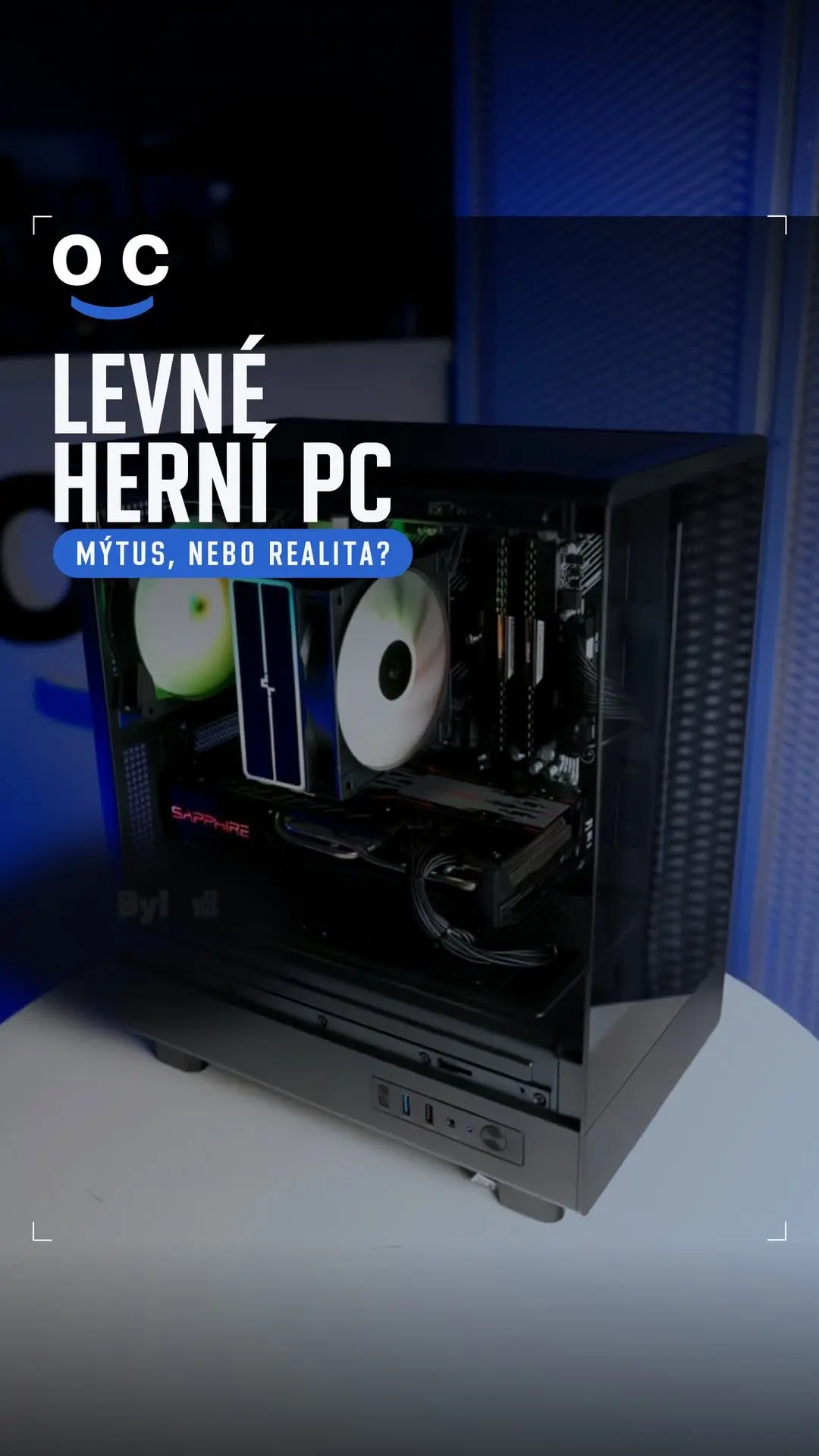
Almost every brand I talk to describes the same snag. One person decides what gets filmed. Another films it. A third edits. A fourth uploads it, and a fifth wonders why it is not getting reach. Nobody owns the whole thing. For HelloComp, the largest gaming showroom in Czechia, I do it differently: I do all of those roles myself. Here is how that actually works and why it is about speed, not about cutting costs.
Why three vendors never add up to one whole
Content for a gaming PC store is not one discipline. It is creative, production, publishing and SEO. Each has its own logic and its own data. Split it across three people and you create two handovers, and something is lost in every handover. The writer describes a shot, the camera operator films it slightly differently because they were not there when the idea appeared. The editor gets footage with no context and picks a different rhythm. The result is technically correct and completely flat.
It is not that those people are bad at their jobs. It is that the information between them travels by email.
What I do for HelloComp
I build the concept and write the script. I step in front of the camera and perform it. I film it. I edit it. I upload it and handle the content side and the SEO. From idea to published video there is one contact and zero handovers. The brand does not manage three data sources and the operations around them. It has one person and sends one message.
That is the whole point of the dual role. I am the actor in front of the camera and the producer behind it. When a shot lands on my timeline I know exactly why it exists, because I designed it.
UGC style, because that is how customers meet the product
I do not shoot gaming builds, the showroom or accessories like a catalogue. I shoot them the way a customer meets them: someone picks it up, shows how it fits, says out loud what they think. The format works because it does not pretend to be an ad. It looks like a recommendation, because that is essentially what it is.
More on how I build this format for brands on the UGC creator page, and the product side lives in product video.
Where I stop and the performance agency starts
I do not run paid campaigns and I do not claim to. Finished videos go to an external performance marketing agency that squeezes the maximum out of them in paid. That split works: I own the content and its quality, they own media buying. Two roles, no overlap, and no grey area where accountability quietly disappears.
When this model fits, and when it does not
It fits when a brand needs a steady stream of content rather than one big spot a year. When it wants to move fast. When coordinating four people annoys it more than the invoice does.
It does not fit large productions with dozens of people on set, where you genuinely need a crew. That is when the vetted team I work with steps in and the roles split again. The honest answer is that one person covers a lot, but not everything.
Want yours put together the same way?
The full HelloComp collaboration is written up in the case study, with video examples. If your content currently hangs on four people and nobody owns the whole thing, get in touch and we will look at how to simplify it.
Frequently asked questions
Can one person really run a brand's whole content output?
For a steady stream of short-form content, yes. Concept, script, on-camera performance, filming, edit, upload and SEO can sit with one person, which removes the handovers where quality usually leaks. Large productions with a full crew are a different job and need a team.
What does the brand actually have to do?
Send one message. There is one contact from idea to published video instead of separate creative, production and publishing threads, so the brand is not coordinating vendors or chasing who has which file.
Does this replace a performance marketing agency?
No. I own the content and its quality, the agency owns media buying. Finished videos are handed over to an external performance marketing team that runs them in paid campaigns. The split keeps accountability clear.
Why UGC style instead of polished studio content?
Because it matches how customers actually meet the product: someone picks it up, shows how it fits and says what they think. It reads as a recommendation rather than an ad, which is exactly why it performs on social.